

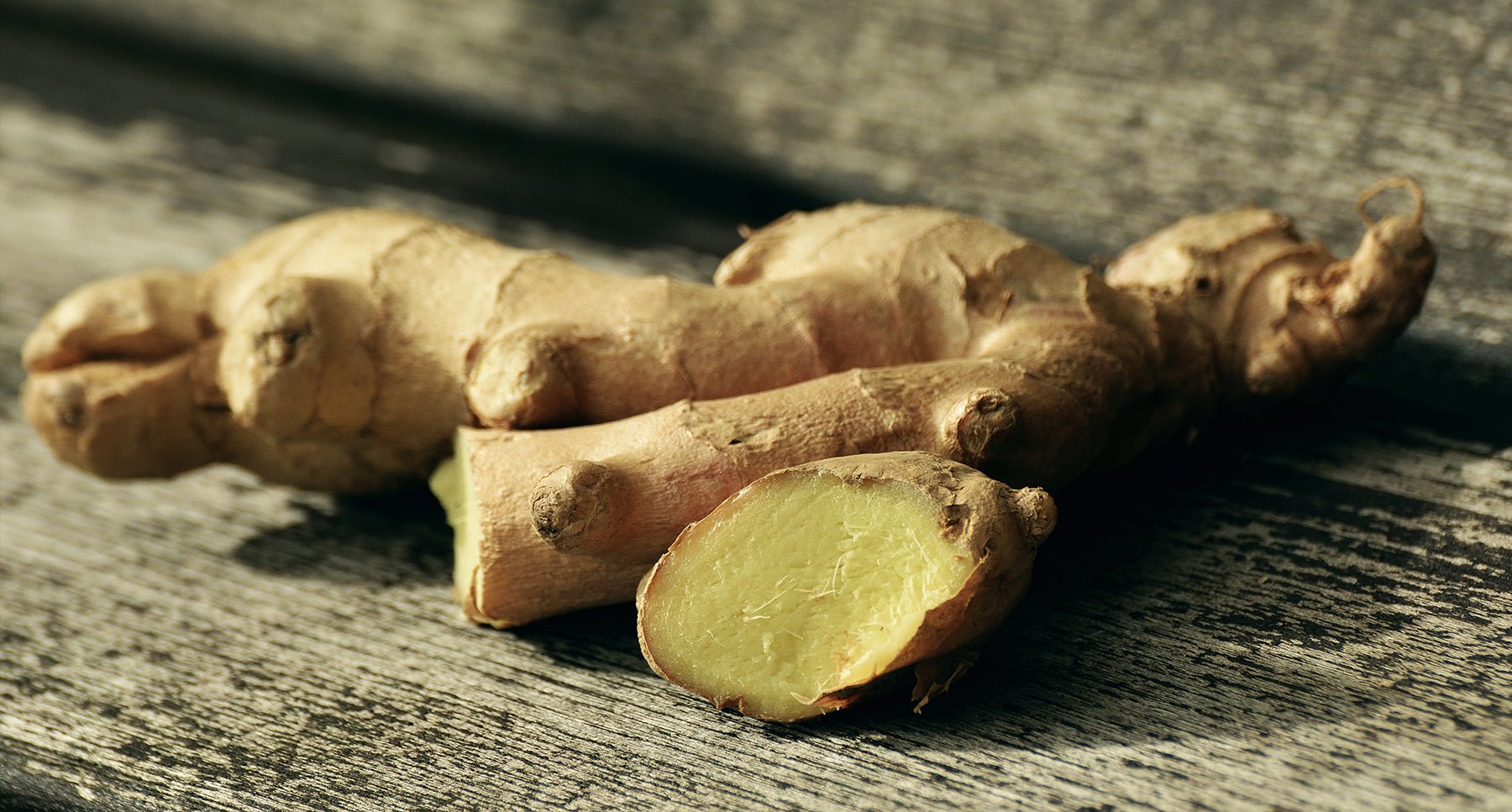
Herbology: Ginger

Warming, Circulation & Vitality in Traditional Chinese Medicine
Ginger (Zingiber officinale) has been valued for centuries across Asian herbal traditions for one defining quality: its ability to bring warmth and movement back into the body. In Traditional Chinese Medicine (TCM), ginger is considered a yang herb—warming, activating, and supportive of circulation. These properties make it especially relevant when the body encounters cold, dryness, or stagnation, and they are the same qualities that have secured ginger’s enduring place in both medicine and daily ritual.
When cold settles in, circulation can slow and tissues can feel tight, heavy, or depleted. From a TCM perspective, this is a state where warmth and flow are needed to restore balance. Ginger’s naturally warming nature helps dispel cold, encourage movement of blood and qi, and support the body’s ability to maintain comfort and vitality.

The Active Nature of Ginger
Modern science helps explain what traditional systems observed long ago. Ginger contains a group of bioactive compounds—most notably gingerols, shogaols, and zingerone—that are associated with:
-
Circulation support: These compounds are known to promote peripheral blood flow, aiding the delivery of oxygen and nutrients to tissues.
-
Anti-inflammatory activity: Ginger has been widely studied for its ability to help moderate inflammatory responses, which relates to comfort in muscles, joints, and the skin barrier.
-
Analgesic effects: Traditionally used to ease soreness and tension, ginger’s warming action and bioactive profile are linked to pain-relieving properties.
-
Antimicrobial and antioxidant actions: Ginger exhibits activity against certain microbes and free radicals, supporting overall resilience and skin health.
Together, these qualities explain why ginger has long been relied upon to restore warmth, encourage circulation, and support the body’s natural defenses—functions that remain as relevant today as they were in classical herbal texts.
Ginger and the Skin
Healthy skin depends on steady circulation. Blood flow delivers oxygen and nutrients while carrying away metabolic waste, supporting renewal and barrier function. Ginger’s warming properties help enhance circulation at the surface of the body, which is why it has traditionally been used to promote healthier, more resilient skin and scalp.
In topical use, ginger is valued for its ability to:
-
Support micro-circulation
-
Help relieve a feeling of tightness associated with cold or dryness
-
Contribute antioxidant and antimicrobial protection to the skin environment
This is the logic behind formulations such as GingerChi’s Purifying Cleanser, Regenerating Serum, and the rice-bran blends enriched with ground ginger. These expressions draw on ginger’s traditional role in supporting circulation and skin vitality while respecting modern needs for barrier care and balance.
Ginger for Body & Muscular Comfort
In TCM, pain and stiffness are often associated with cold and stagnation. Warming herbs like ginger are used to “move” what has become constrained. Applied through massage or warming oils, ginger supports circulation through muscles and connective tissue, helping ease that heavy, constricted sensation that can accompany cooler temperatures or physical strain.
This same principle guides the use of ginger in body formulations such as Ginger Relief Oil and the Women’s Nourish Massage Oils—oils designed to work with warmth and movement to support comfort, flow, and recovery.

Ginger Baths in Colder Months
Ginger is often used in warming baths to help dispel cold and encourage circulation. The heat opens the pores, promotes blood flow, and creates a deep, lasting warmth through the body. Combined with ginger’s naturally warming and anti-inflammatory properties, a ginger bath can help ease muscle tension, support recovery from fatigue, and restore a sense of comfort and flow during colder months.
Ginger and the Scalp
The scalp, like the skin elsewhere, benefits from circulation. Ginger’s warming and antimicrobial properties have traditionally been used to support scalp vitality, helping maintain a healthy environment for hair. In modern topical care, this translates to improved blood flow to follicles and support for the scalp’s natural balance, as seen in formulations like the Ginger Rosemary Hair & Scalp Oil.

Food as Daily Medicine: When and How to Use Ginger
In Chinese culture, ginger is not only a medicinal herb but also a daily food used with intention. How and when it is consumed matters.
When:
Ginger is most commonly taken when the body is cold, during damp or chilly weather, after exposure to wind, or when digestion feels sluggish. It is also traditionally used in the morning or earlier in the day, when warming the system and supporting circulation is most beneficial.
How:
-
Teas and infusions: Fresh ginger simmered in water creates a warming tea that supports circulation and digestion.
-
Soups and stews: Ginger is added to broths to bring warmth and help the body assimilate nutrients, especially in cooler seasons.
-
Traditional recipes: From simple ginger-scallion broths to long-simmered preparations like ginger and vinegar stews, culinary use reflects the same herbal logic—warming the blood, dispelling cold, and restoring comfort.
Why:
Taken internally, ginger’s warming and digestive-supporting properties help stimulate circulation, ease a feeling of internal cold, and support the body’s natural defenses. Its antioxidant and antimicrobial actions further contribute to overall resilience.
A Yin & Yang Ginger Tonic
Here is a simple, TCM-inspired recipe pairs ginger with nourishing ingredients for a healthy winter to combat dry heat, support lung health keep skin supple, and boost your inner Chi:

• Pears: Hydrate skin and soothe dry coughs.
• Ginger: Warm you from within and boost circulation.
• Red Dates: Replenish blood and fight the chill.
• Honey (optional): Add sweetness and extra soothing properties.
Steps:
1. Add 1 sliced pear, a knob of ginger, a handful of red dates, and water to a pot.
2. Bring to a boil, then simmer for 10–15 minutes.
3. Let cool and stir in honey if desired.
An Enduring Root
Across herbal medicine, food culture, and modern formulation, ginger’s role is remarkably consistent. Its capacity to warm, activate, and restore flow—supported by both traditional knowledge and contemporary research into its bioactive compounds—has given ginger a lasting place as one of the world’s most valued medicinal roots.
At GingerChi, working with ginger means honoring this lineage: an ingredient chosen not for trend or aroma, but for its functional intelligence and its ability to support circulation, comfort, and vitality through both topical ritual and daily nourishment.
♥
GingerChi


%20has%20been%20valued%20for%20centuries%20across%20Asian%20herbal%20traditions%20for%20one%20defining%20quality:%20its%20ability%20...)
Leave a comment
This site is protected by hCaptcha and the hCaptcha Privacy Policy and Terms of Service apply.